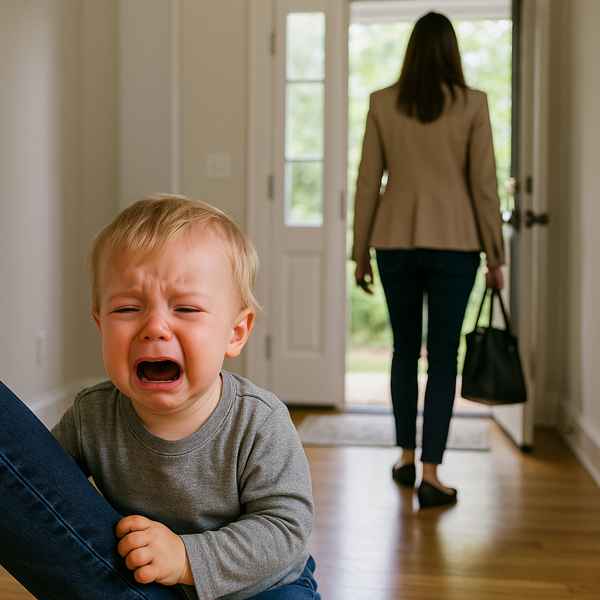
Whether in children, separation anxiety can impact daily life.
Understanding the causes and symptoms of separation anxiety is the first step to easing it effectively.
The Basics of Separation Anxiety
Separation anxiety is a condition where a person feels distress when separated from a loved one.
Typical signs include:
- Emotional breakdowns when apart
- Clinging behavior
- Physical symptoms like headaches or nausea
What Triggers Separation Anxiety
There are many reasons someone may develop separation anxiety.
Common causes include:
- Starting school or daycare
- Past trauma or loss
- Lack of independence training
- Anxiety in the family
How to Recognize It Early
Early detection of separation anxiety can help in creating a supportive environment.
Look out for these red flags:
- Difficulty being alone even for short periods
- Avoiding school or social activities
- Insomnia or restlessness
Tips for Parents
Supporting children through separation anxiety requires patience, routine, and reassurance.
Useful parenting tips:
- Say goodbye consistently
- Use positive reinforcement
- Practice independence-building activities
- Avoid sneaking out
Managing Anxiety in Grown-Ups
Adults can also face separation anxiety, especially in stressful life changes or trauma.
Ways to deal with here it:
- Therapy or counseling
- Mindfulness and meditation
- Staying socially connected
- Challenging irrational fears
Knowing When It's Serious
Professional guidance can offer effective solutions.
When intervention is needed:
- Daily disruption due to anxiety
- Frequent illness from stress
- Refusing to engage in normal life
Support and Hope
With understanding, patience, and the right support, people of all ages can learn to feel more secure.
Don’t be afraid to ask for help.